France is often praised for its cuisine and architecture, but for many travelers, its most memorable quality is sound: the echo of church bells above middle C in a medieval town, the murmur of market stalls, the rhythm of a radio show drifting from a café. This guide invites you to experience France as a vast sound installation, where every city, village, and landscape becomes part of a continuous composition you can tune into as you travel.
Listening to France: How to Turn Your Trip Into a Sonic Journey
Instead of treating sound as background noise, you can frame your journey through France as an attentive listening experience. From Parisian metro announcements to the hush of alpine snow, every region offers its own informal soundtrack. With a bit of intention, your visit becomes less about ticking off monuments and more about noticing the textures of everyday life.
Finding Your Own A Above Middle C
Musicians often tune to a reference pitch, commonly the A above middle C. Travelers, too, can adopt a personal reference: a recurring sound that anchors each new place. In France, this might be the chime of a station announcement in Paris, the seagulls in Marseille, or the wind through vineyards in Burgundy. Pay attention to which repeating tone or noise seems to follow you from town to town; it becomes your private way of staying tuned to the country.
Creating Your Travel Sound Map
As you move through France, think of each stop as a track on an evolving playlist:
- Urban tracks: metro brakes squealing, café cups clinking, street musicians under stone archways.
- Coastal tracks: surf meeting pebble beaches, rigging on small boats, distant foghorns.
- Rural tracks: tractors in the distance, church bells marking the hours, birds at sunrise over fields.
Note the time, place, and atmosphere of each memorable sound in a small notebook or your phone. By the end of your trip, you will have composed a personal audio diary of France.
Radio Show Playlists: Your Gateway to Local French Culture
French radio is one of the most accessible ways to experience local culture, even if you do not speak the language fluently. From community stations in small towns to major broadcasters in big cities, radio in France often blends news, music, conversation, and experimental sound in surprising ways.
How to Use French Radio While Traveling
Think of French radio as your real-time guide to the mood of the country. In the morning, tune in for weather and travel information. In the afternoon, discover new artists and regional music styles. At night, look for curated shows and playlists that mix ambient, electronic, jazz, or experimental pieces—perfect for winding down after a day of exploring.
Many stations publish recent playlists for their shows, which you can save and revisit once you return home. This gives your trip a lasting soundtrack, transforming everyday routines back home into reminders of your time in France.
Listening in Cafés and Public Spaces
Cafés, bars, and even shops in France often play carefully chosen music. Instead of ignoring it, take note of what you hear. Ambient and minimalist pieces, soft jazz, or contemporary electronic music frequently set the tone in modern French spaces. If a track catches your ear, politely ask the staff about it. This is an easy way to start conversations and discover local tastes beyond the most famous French songs.
Sound Installations, Galleries, and Experimental Music in France
France has a long history of embracing sound-based art, from experimental music festivals to intimate gallery installations. While iconic museums draw the crowds, travelers who seek out quieter, more introspective spaces often find sound-focused events that leave a lasting impression.
Finding Sound Installations in French Cities
Larger cities like Paris, Lyon, Marseille, and Nantes frequently host temporary sound installations in galleries, cultural centers, and repurposed industrial spaces. When planning your trip, check event listings for:
- Immersive audio rooms where subtle tonal shifts and field recordings create an enveloping atmosphere.
- Site-specific works that use the acoustic properties of old churches, warehouses, or courtyards.
- Collaborative projects combining projected visuals, spoken word, and abstract soundscapes.
These experiences encourage slow, attentive listening—an ideal counterbalance to fast-paced sightseeing.
Festivals and Events for Sonic Exploration
Throughout the year, different regions host festivals dedicated to experimental, ambient, and contemporary music. While dates and line-ups change annually, you can look for events described with phrases like “sound art,” “electroacoustic,” or “audio-visual performances.”
Consider timing part of your trip around such a festival. Even a single evening performance in a small venue can give you a deeper sense of place than many standard attractions, especially when local landscapes or histories inspire the works performed.
Field Recording: Capturing the Subtle Sounds of France
Field recording—collecting sounds from real environments—is an increasingly popular way to document travel. France, with its mix of ancient stone streets, coastal villages, mountains, and forests, offers a rich palette for this practice.
Simple Ways to Record Your Journey
You do not need professional equipment to start. A smartphone and a pair of decent headphones are enough to experiment. Try recording:
- The echo of your footsteps in a narrow medieval alley.
- The layered chatter of a local market on a Saturday morning.
- Rain on a balcony overlooking a quiet French courtyard.
- The distant hum of a train passing at night.
Later, you can sequence these short clips into a single piece that compresses your entire trip into a few minutes of sound.
Respectful and Ethical Listening
When recording in public spaces, be discreet and respectful. Avoid capturing private conversations in a way that could identify individuals, and prefer broad ambiences over close-up recordings of people who have not agreed to be recorded. Natural environments, architectural acoustics, and general city atmospheres are excellent subjects that do not intrude on anyone’s privacy.
Shopping for Sound: Music, Records, and Sonic Souvenirs
Many travelers return from France with wine or cheese; sound-focused visitors come home with records, small instruments, and audio gear. Treat the country as a living shop of sonic souvenirs that go beyond the usual postcards and keychains.
Record Shops and Local Labels
Independent record shops in French cities often support regional artists and niche genres, including ambient, experimental, and electroacoustic music. Spend time browsing the racks and asking staff for recommendations related to French sound art or local musicians. Look for compilations that feature artists from the region you are visiting—these can serve as concentrated portraits of a city’s musical identity.
Books and Art About Sound
Concept stores, museum bookshops, and contemporary art spaces frequently carry books and small editions devoted to listening, soundscapes, and audio-based art. Even if the text is partly in French, the images, diagrams, and included recordings (sometimes via download codes) can be inspiring. These items make distinctive souvenirs that remind you to keep listening carefully at home.
Staying Tuned While You Stay Overnight: Sound-Conscious Accommodation Tips
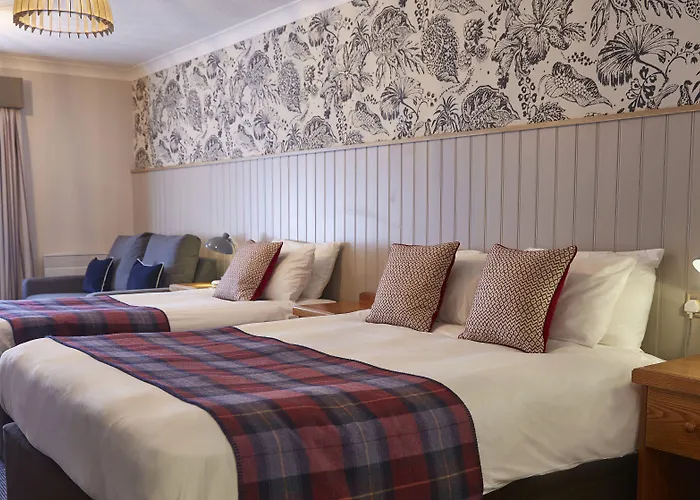
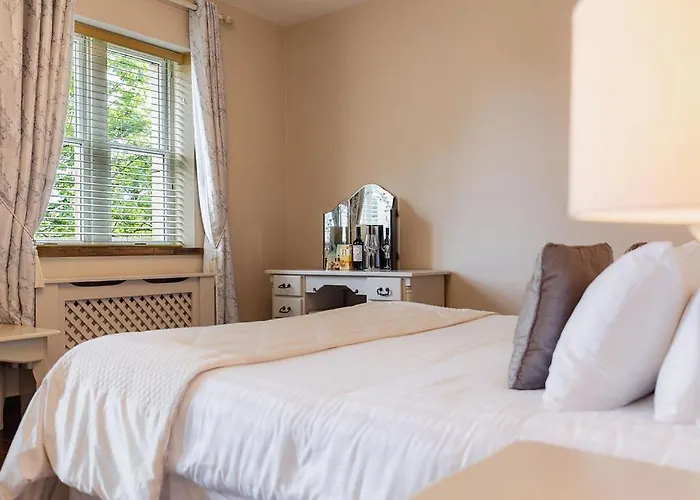
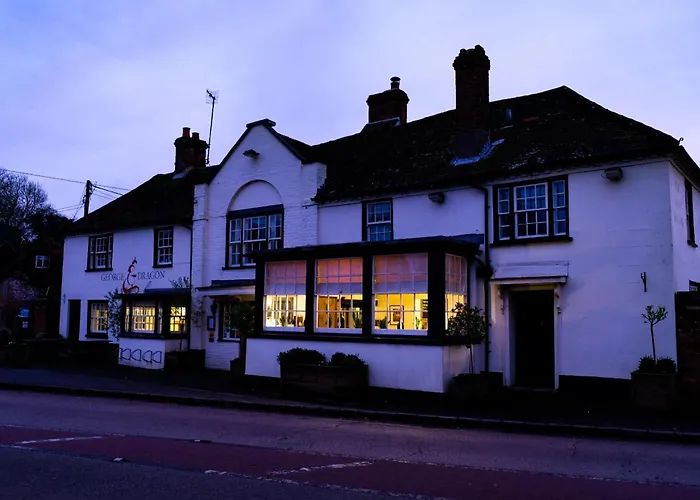
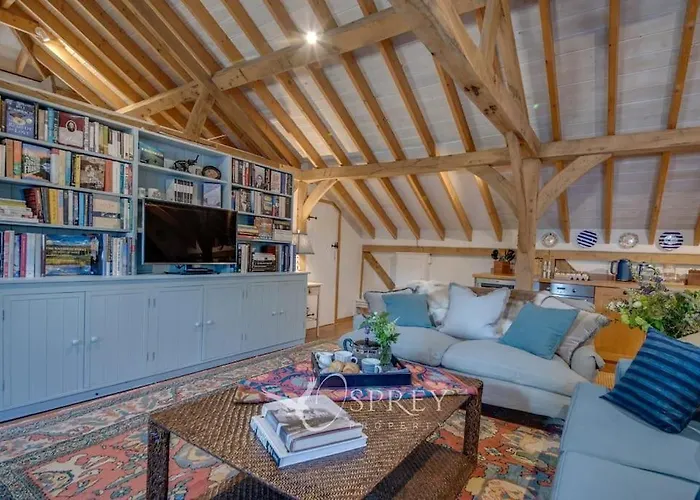
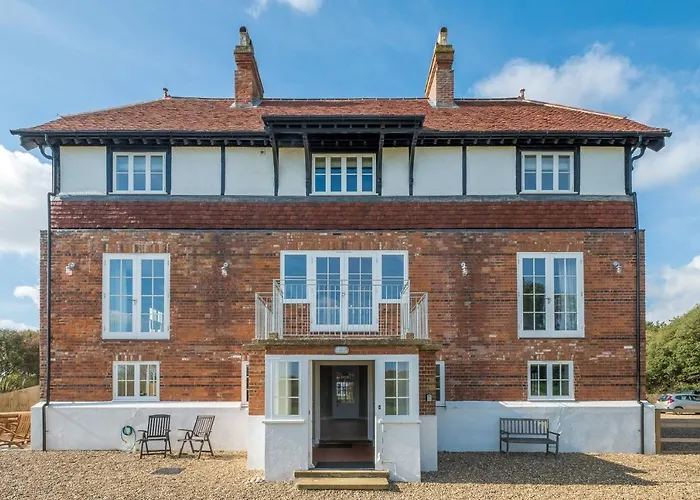
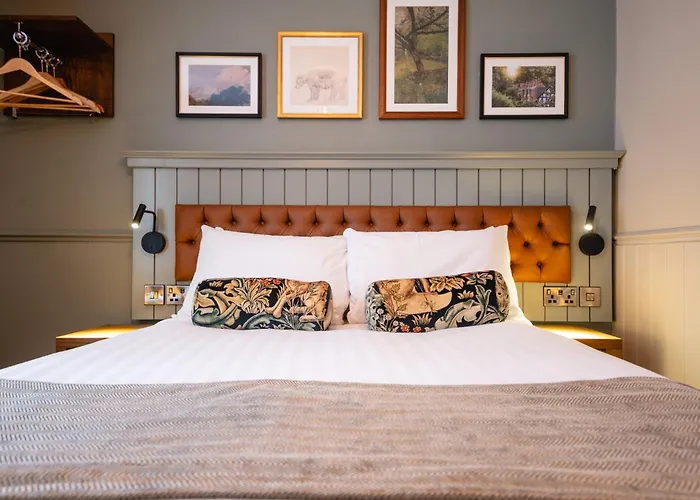
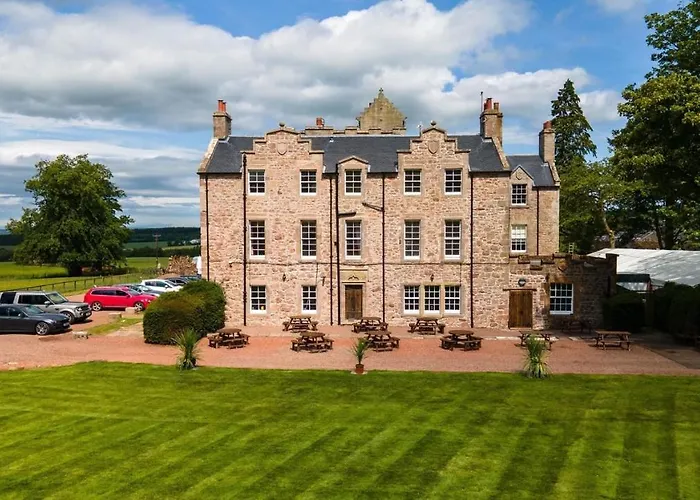
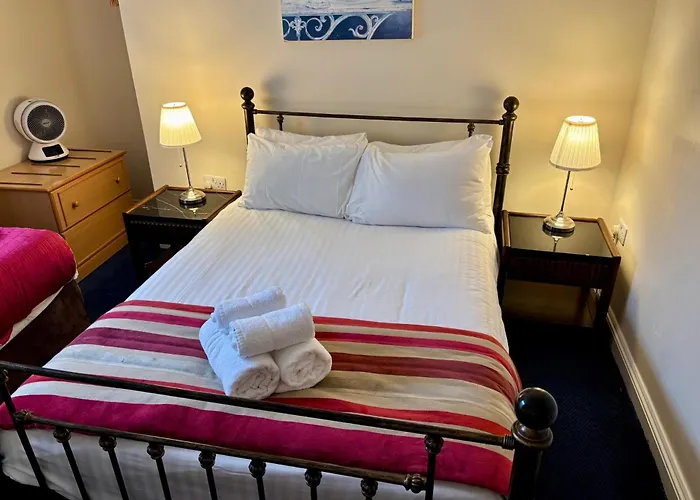
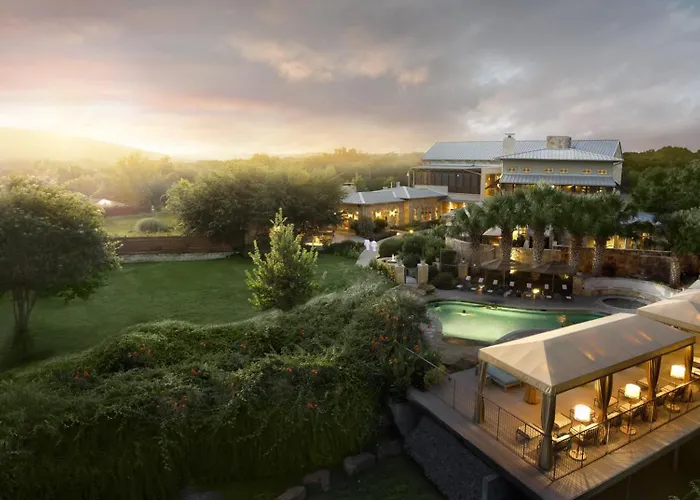
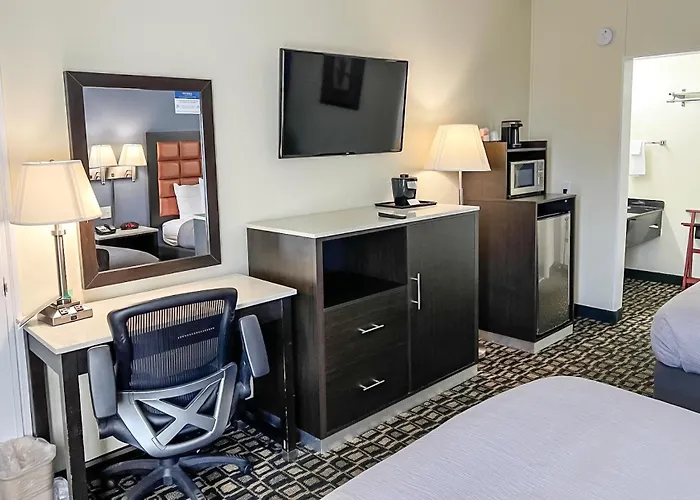
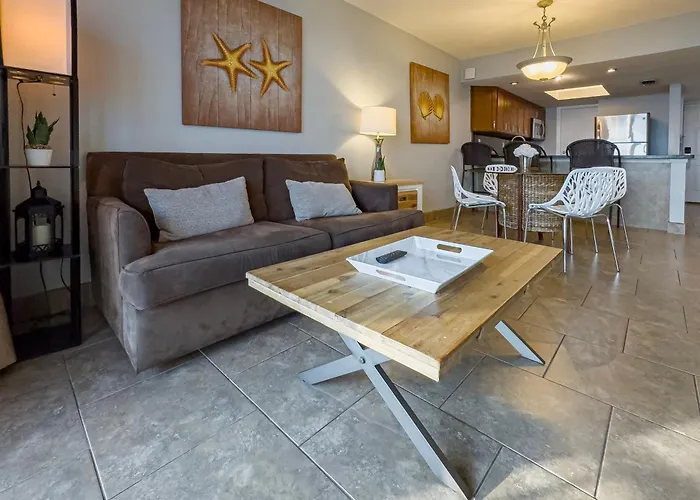
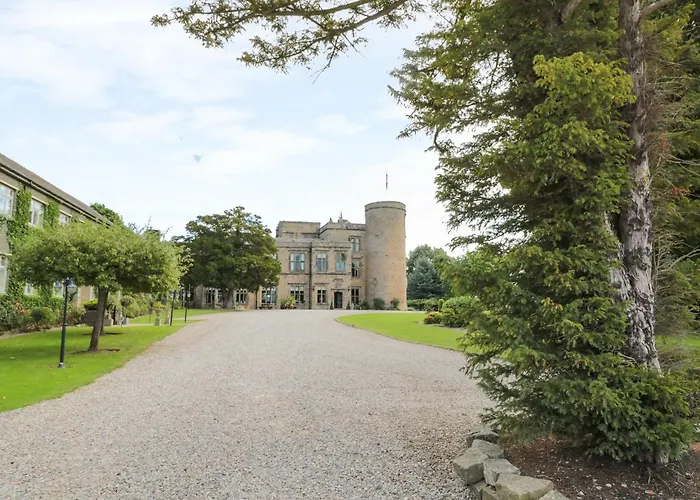
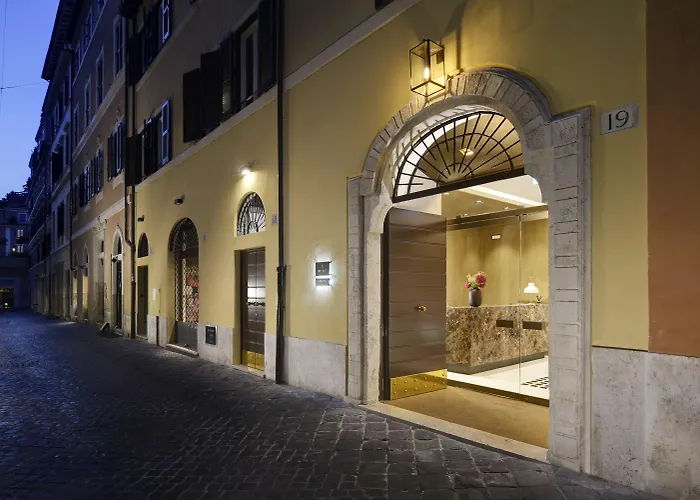
Where you sleep in France will dramatically affect your sonic experience of the country. Hotels, guesthouses, and apartments all come with their own sound profiles. Choosing accommodation with sound in mind makes your trip more comfortable and more interesting.
Choosing the Right Neighborhood for Your Ears
If you love the energy of nightlife and city buzz, staying in central districts near cafés, music bars, and late-opening venues will immerse you in the evening soundtrack of French urban life. You will hear conversations flowing into the street, clinking glasses, and the occasional live performance drifting through open doors.
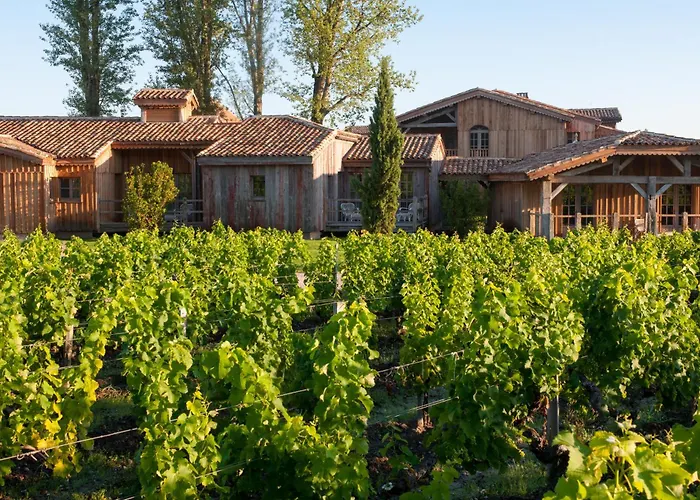
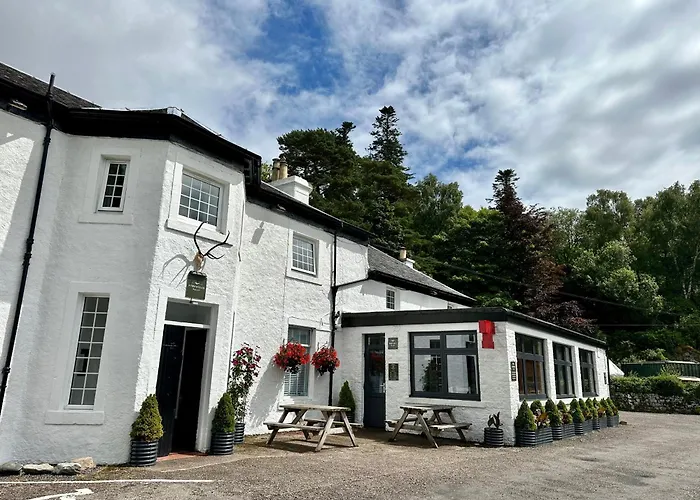
Travelers who prefer quiet listening might select accommodations in residential neighborhoods or on the outskirts of town. There, you are more likely to wake to birds, distant bells, or soft traffic hum rather than crowds. In coastal or rural areas, guesthouses and small inns can offer close contact with nature: waves, wind through trees, or insects after dark replace the mechanical sounds of the city.
Practical Sound Tips for Hotels and Guesthouses
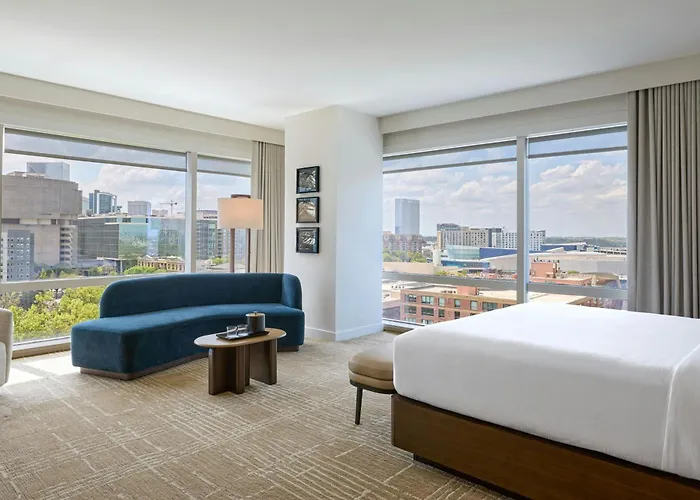
When booking, scan reviews for mentions of noise: words like “lively,” “busy street,” or “quiet courtyard” are clues. Request upper floors if you are sensitive to street sounds, or inner-courtyard rooms if you want less traffic noise. Soft earplugs and comfortable headphones can help you control your sonic environment—blocking unwanted noise at night while allowing you to listen to your favorite French radio playlists or recorded ambience as you fall asleep.
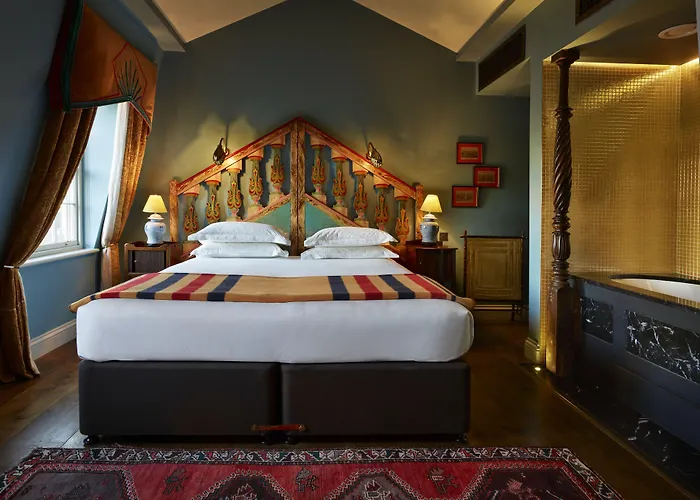
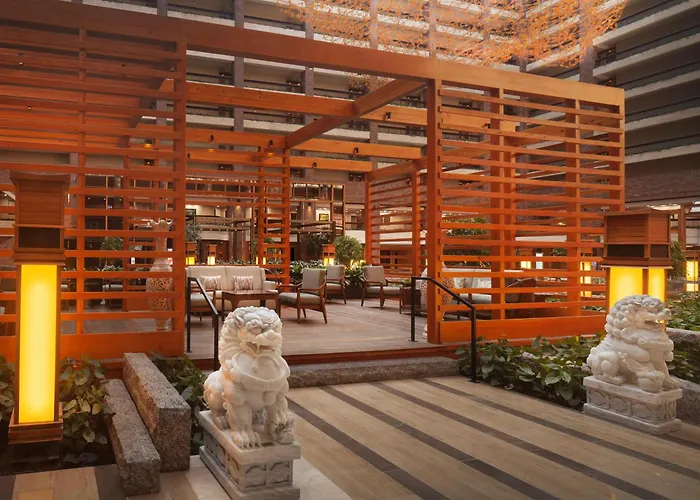
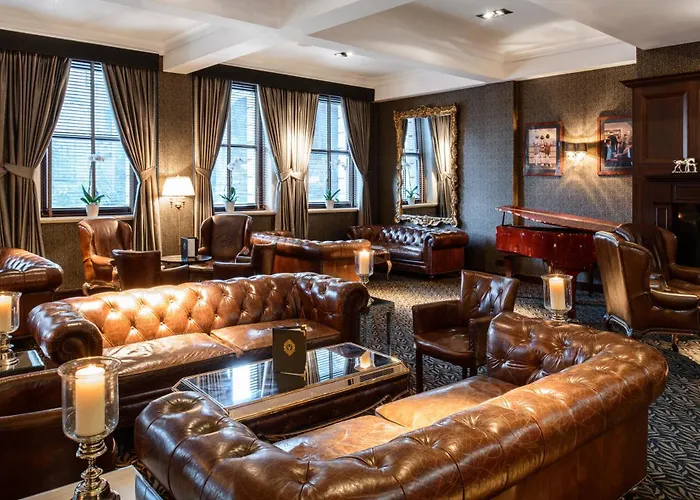
Some boutique hotels and design-focused accommodations even curate their own music selections in lobbies and lounges. If you find the soundtrack appealing, ask staff about the artists or playlists, adding another layer to your evolving French sound collection.
Designing Your Personal French Playlist
By the time you leave France, you will have collected many auditory memories: snippets of conversations, snippets of radio broadcasts, improvised performances on the street, and the natural rhythms of weather and landscape. Bring these together in a carefully chosen playlist and a small archive of your own recordings.
Each time you listen back, you reconstruct the journey—less as a series of images and more as a living, breathing environment. In this way, France remains not just a place you visited once, but an ever-present composition you can revisit whenever you press play.
Staying Tuned to France, Long After You Return
Travel often feels fleeting, yet paying close attention to sound can make your time in France feel deeper and more enduring. Whether you immerse yourself in radio show playlists, seek out sound installations in galleries, browse record shops, or practice field recording in quiet back streets, you connect with the country on a more intimate frequency.
Instead of relying only on photographs, let your memories of France be guided by tone, rhythm, and resonance—the subtle details that turn a simple trip into a lasting composition, always playing just above the threshold of everyday life, like an A above middle C gently humming in the background.